How Smart Homes Are Learning Identity and Context

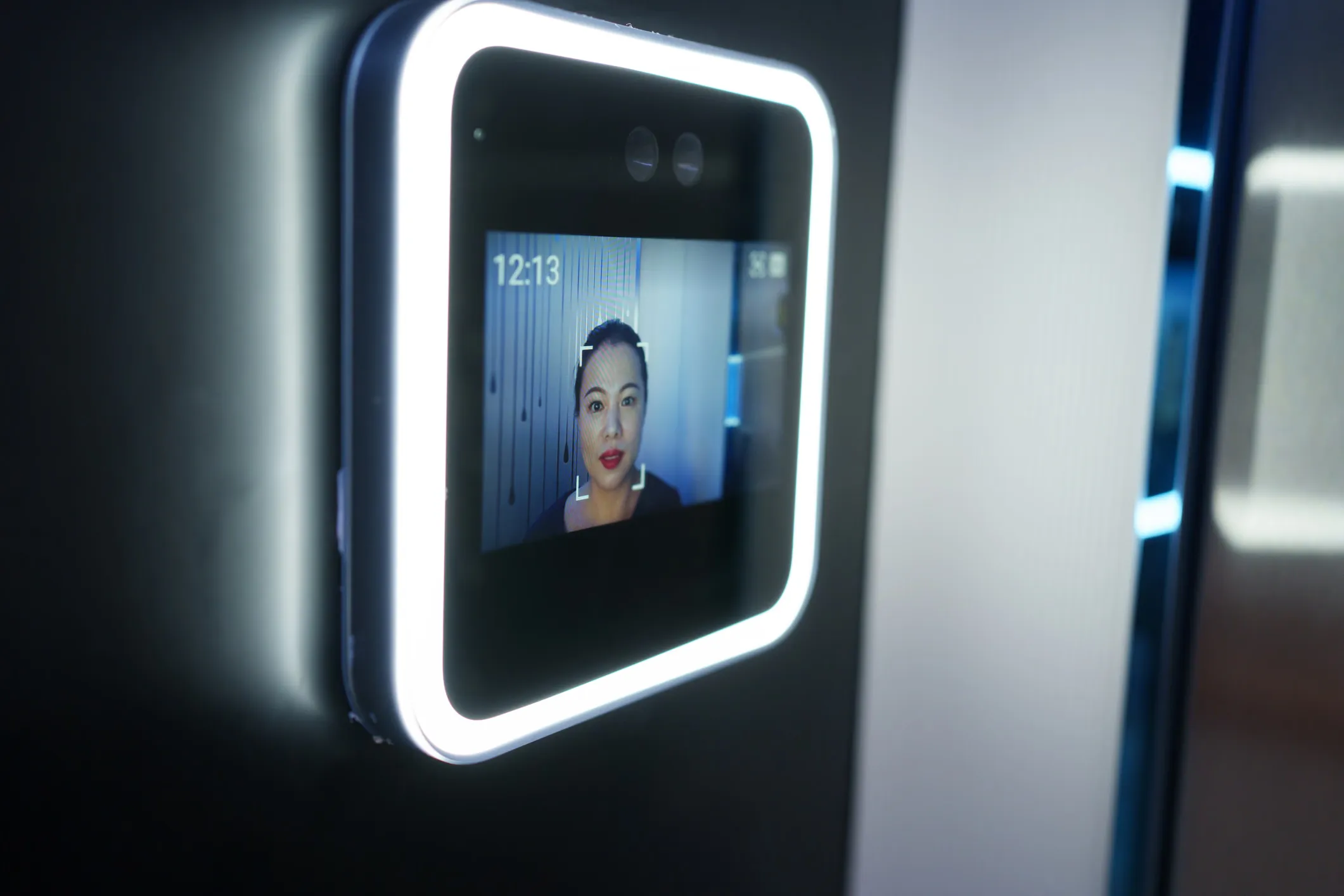
Photo Credit: Wengen Ling, iStock
When smart homes first entered the mainstream, they felt experimental. Voice commands, blinking hubs, and disconnected apps promised convenience but often delivered friction. That dynamic is changing quickly. A new generation of smart home technology is emerging, one focused on perception, identity, and seamless presence.
In San Francisco’s New Smart Homes See You Coming, the SF Standard describes a near-future home that recognizes its owner before the door is ever touched, using facial recognition, radar sensors, and environmental intelligence to manage access, air quality, and security automatically.
This shift mirrors a broader pattern we’ve been tracking across the industry, where connected systems fade into the background and begin to function as quiet infrastructure rather than attention-grabbing gadgets, a theme explored in Smart Homes Are Disappearing Into Daily Life.
The Front Door Becomes the Interface
Nowhere is this evolution more visible than at the front door.
At CES 2026, Chamberlain introduced its myQ Secure View Smart Lock, a single device that combines a smart lock, video doorbell, and facial recognition camera. As reported by The Verge, the system can recognize familiar faces, unlock automatically, and integrate with garage access, reducing reliance on keys, codes, or even phone apps.
SwitchBot is pushing the same idea from a more modular, consumer-friendly angle. In The Verge’s coverage of SwitchBot’s Lock Vision series, the company outlines how its new smart locks use 3D facial recognition alongside passcodes, NFC cards, and app-based access, while also supporting Matter for broader ecosystem compatibility.
Together, these products suggest that the front door is no longer just a security checkpoint. It’s becoming an intelligent interface that understands identity, context, and intent.
Security That Anticipates & Reacts
This evolution reflects a deeper change in how homeowners think about safety.
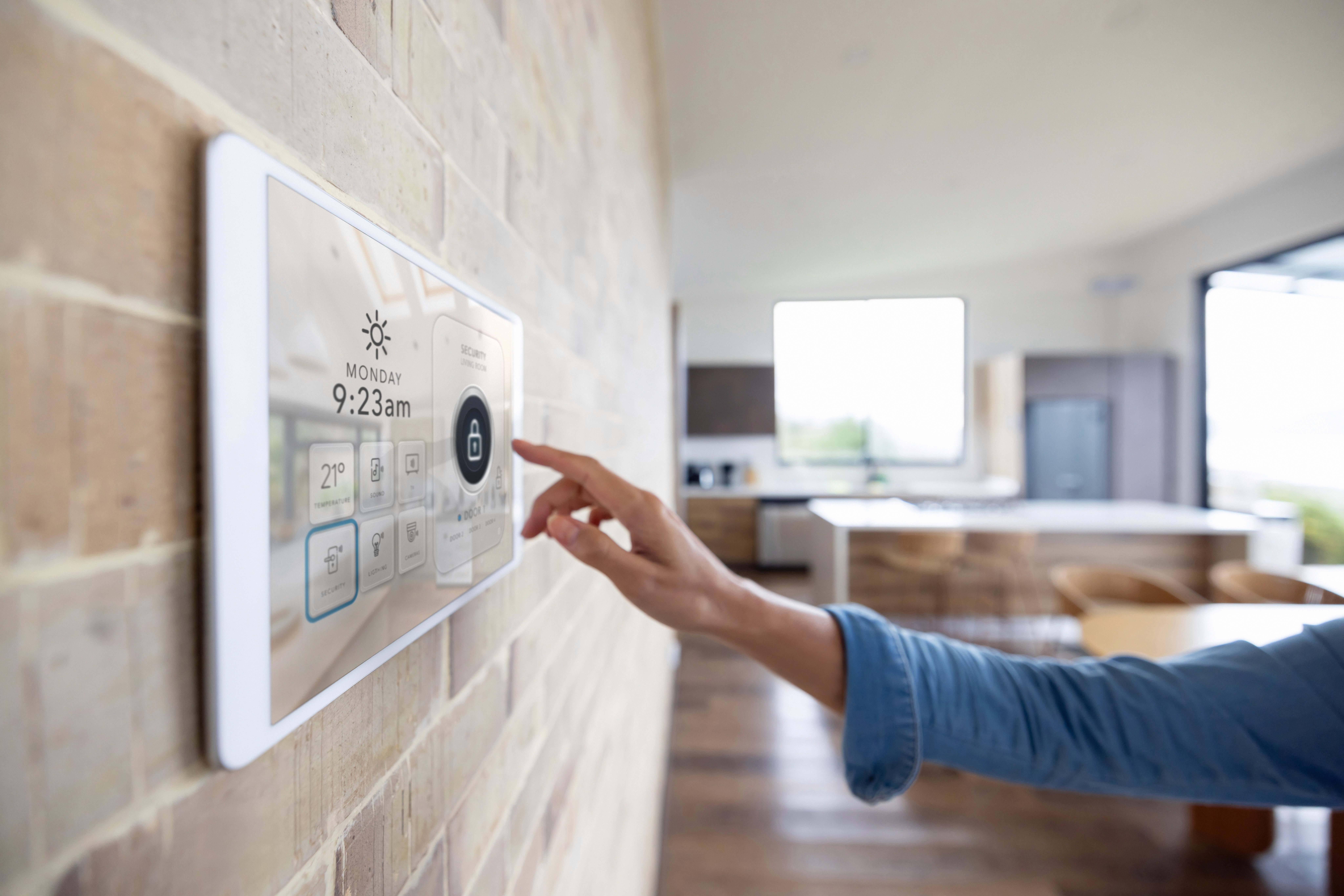
Traditional alarms tell you something has gone wrong. Newer smart security systems aim to recognize patterns before incidents occur, using facial recognition, motion tracking, and perimeter awareness to distinguish between normal activity and potential risk.
That philosophy aligns closely with the approach outlined in How To Get The Most From Your Smart Home, where long-term value comes from thoughtful configuration, strong interoperability, and systems that reduce noise rather than create it.
When security systems operate quietly in the background, they tend to earn trust. When they demand constant attention, they often get disabled. The latest generation of smart locks and entry systems appears to be designed with that balance in mind.
Intelligence Moves Into the Structure
Another important shift is where smart intelligence lives.
Instead of being layered on through standalone gadgets, intelligence is increasingly built into the structure of the home itself. Doors and windows are gaining sensors that monitor air quality, detect motion, and respond automatically to environmental conditions. The SF Standard highlights this trend through examples like self-ventilating windows and sensor-rich entryways that manage comfort and safety without user input.
This architectural approach reinforces a key idea shaping modern smart homes, technology works best when it supports the environment rather than dominating it. The less visible the system feels, the more effective it becomes.
What This Signals for the Smart Home Industry
Taken together, these developments point toward a smart home model centered on anticipation and presence.
Homes that recognize who is approaching, adjust conditions automatically, and manage security without constant prompts are setting a new baseline for connected living. As standards mature and facial recognition, sensor fusion, and AI-driven pattern detection become more accessible, these capabilities are moving beyond experimental builds and into mainstream products.
The future of smart homes won’t be defined by how many devices you own. It will be shaped by how naturally your home understands you, protects you, and supports daily life, often without you noticing at all.