Foundations For The Future, part of MIE Expo’s global series of events, unites Real Estate, Smart Living, and Infrastructure leaders in Chicago in 2026.

Foundations For The Future, part of MIE Expo’s global series of events, unites Real Estate, Smart Living, and Infrastructure leaders in Chicago in 2026.
YAS Architecture Award for Women Architects 2026 submission dates, eligibility rules, digital entry requirements, and official contact information for applicants.

YAS Architecture Award for Women Architects 2026 submission dates, eligibility rules, digital entry requirements, and official contact information for applicants.
The YAS Architecture Award for Women Architects launches internationally, recognizing cultural, social, and design excellence across the Middle East and China.

The YAS Architecture Award for Women Architects launches internationally, recognizing cultural, social, and design excellence across the Middle East and China.
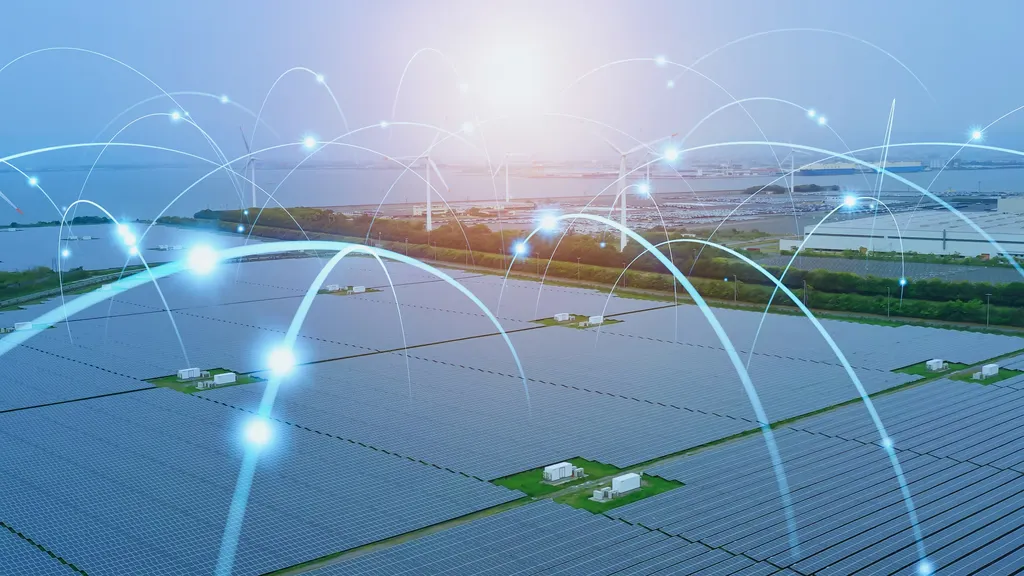
Europe’s energy transition is entering a more complex phase. After years of prioritizing renewable generation, policymakers are now confronting a structural reality: without modern, cross-border networks, clean energy cannot move efficiently, scale reliably, or deliver its full economic impact. That shift became explicit when the European Commission announced €650 million in new funding for electricity and hydrogen infrastructure, a move outlined in Euronews’ coverage of the EU’s investment in cross-border hydrogen and electricity infrastructure. Rather than focusing solely on generation, the funding targets the connective tissue of the energy system, including smart grids, interconnectors, storage, and hydrogen terminals across Spain, the Baltics, Germany, the Netherlands, and southeastern Europe. The signal is unmistakable: the next decade of energy investment will be defined less by how much clean power is produced and more by how effectively it is moved, balanced, and integrated. Why the grid has become the bottleneck Europe is producing more renewable electricity than ever, yet much of it is being constrained by infrastructure that was never designed for variable, distributed generation. Grid congestion, curtailment, and long connection queues are increasingly common as wind and solar capacity outpaces transmission upgrades. This imbalance was highlighted by the Financial Times, which recently reported that Europe’s renewables expansion is being slowed by delays in grid connections and transmission capacity. In practical terms, this means clean energy is often generated where it cannot be used, turning a climate solution into an operational and economic inefficiency. This dynamic echoes broader capital market concerns explored in Institutional capital, grid strain, and the search for climate-aligned real estate resilience, where aging infrastructure is increasingly seen as both a risk factor and a major investment opportunity. Cross-border networks as energy security strategy The geography of the EU’s funding reveals a deeper strategic intent. Spain, the Baltics, and southeastern Europe are receiving significant support not just to decarbonize, but to interconnect, reducing reliance on external energy sources and strengthening regional resilience. This approach mirrors developments in offshore wind, where Reuters reports that European countries are coordinating offshore wind infrastructure to hedge against dependence on imported gas. In both cases, energy infrastructure is being treated as shared, strategic capacity rather than isolated national assets. As grids become more interconnected, they also become more digital. Sensors, software, and real-time controls are now essential for balancing supply and demand, reinforcing the shift described in Infrastructure is entering its climate-resilient, data-driven era. Hydrogen infrastructure adds a new network layer Electricity is only part of the story. Hydrogen is emerging as a parallel infrastructure challenge, one that requires storage caverns, import terminals, and conversion facilities to function at scale. Germany’s hydrogen storage projects and terminals in Wilhelmshaven, alongside Rotterdam’s ammonia-to-hydrogen facilities, are part of a funding wave detailed in Hydrogen Insight’s reporting on EU support for cross-border hydrogen infrastructure. These projects are foundational for industrial decarbonization, but only work if they are fully integrated into Europe’s broader energy network. Hydrogen, like electricity, becomes valuable only when it can move seamlessly across borders, industries, and markets. What this means for cities, capital, and infrastructure leaders For investors, grid modernization represents a shift toward long-duration, policy-supported assets with increasing relevance to climate adaptation, data systems, and urban resilience. For cities, stronger networks mean more reliable power, lower energy volatility, and greater capacity to electrify transport, buildings, and industry. These systems also intersect with the rise of AI and digital infrastructure, a convergence explored in What Davos revealed about AI, infrastructure, and cities, where energy, data, and urban systems are increasingly inseparable. Europe’s energy transition is no longer constrained by ambition or generation capacity. It is constrained by networks. By prioritizing grids, interconnectors, and hydrogen infrastructure, the EU is addressing the missing middle of the transition, the systems that transform clean energy from potential into performance. The great grid buildout is not just an infrastructure story, it is the foundation for Europe’s economic competitiveness, energy security, and climate future.
Europe’s energy transition is entering a more complex phase. After years of prioritizing renewable generation, policymakers are now confronting a structural reality: without modern, cross-border networks, clean energy cannot move efficiently, scale reliably, or deliver its full economic impact. That shift became explicit when the European Commission announced €650 million in new funding for electricity and hydrogen infrastructure, a move outlined in Euronews’ coverage of the EU’s investment in cross-border hydrogen and electricity infrastructure. Rather than focusing solely on generation, the funding targets the connective tissue of the energy system, including smart grids, interconnectors, storage, and hydrogen terminals across Spain, the Baltics, Germany, the Netherlands, and southeastern Europe. The signal is unmistakable: the next decade of energy investment will be defined less by how much clean power is produced and more by how effectively it is moved, balanced, and integrated. Why the grid has become the bottleneck Europe is producing more renewable electricity than ever, yet much of it is being constrained by infrastructure that was never designed for variable, distributed generation. Grid congestion, curtailment, and long connection queues are increasingly common as wind and solar capacity outpaces transmission upgrades. This imbalance was highlighted by the Financial Times, which recently reported that Europe’s renewables expansion is being slowed by delays in grid connections and transmission capacity. In practical terms, this means clean energy is often generated where it cannot be used, turning a climate solution into an operational and economic inefficiency. This dynamic echoes broader capital market concerns explored in Institutional capital, grid strain, and the search for climate-aligned real estate resilience, where aging infrastructure is increasingly seen as both a risk factor and a major investment opportunity. Cross-border networks as energy security strategy The geography of the EU’s funding reveals a deeper strategic intent. Spain, the Baltics, and southeastern Europe are receiving significant support not just to decarbonize, but to interconnect, reducing reliance on external energy sources and strengthening regional resilience. This approach mirrors developments in offshore wind, where Reuters reports that European countries are coordinating offshore wind infrastructure to hedge against dependence on imported gas. In both cases, energy infrastructure is being treated as shared, strategic capacity rather than isolated national assets. As grids become more interconnected, they also become more digital. Sensors, software, and real-time controls are now essential for balancing supply and demand, reinforcing the shift described in Infrastructure is entering its climate-resilient, data-driven era. Hydrogen infrastructure adds a new network layer Electricity is only part of the story. Hydrogen is emerging as a parallel infrastructure challenge, one that requires storage caverns, import terminals, and conversion facilities to function at scale. Germany’s hydrogen storage projects and terminals in Wilhelmshaven, alongside Rotterdam’s ammonia-to-hydrogen facilities, are part of a funding wave detailed in Hydrogen Insight’s reporting on EU support for cross-border hydrogen infrastructure. These projects are foundational for industrial decarbonization, but only work if they are fully integrated into Europe’s broader energy network. Hydrogen, like electricity, becomes valuable only when it can move seamlessly across borders, industries, and markets. What this means for cities, capital, and infrastructure leaders For investors, grid modernization represents a shift toward long-duration, policy-supported assets with increasing relevance to climate adaptation, data systems, and urban resilience. For cities, stronger networks mean more reliable power, lower energy volatility, and greater capacity to electrify transport, buildings, and industry. These systems also intersect with the rise of AI and digital infrastructure, a convergence explored in What Davos revealed about AI, infrastructure, and cities, where energy, data, and urban systems are increasingly inseparable. Europe’s energy transition is no longer constrained by ambition or generation capacity. It is constrained by networks. By prioritizing grids, interconnectors, and hydrogen infrastructure, the EU is addressing the missing middle of the transition, the systems that transform clean energy from potential into performance. The great grid buildout is not just an infrastructure story, it is the foundation for Europe’s economic competitiveness, energy security, and climate future.
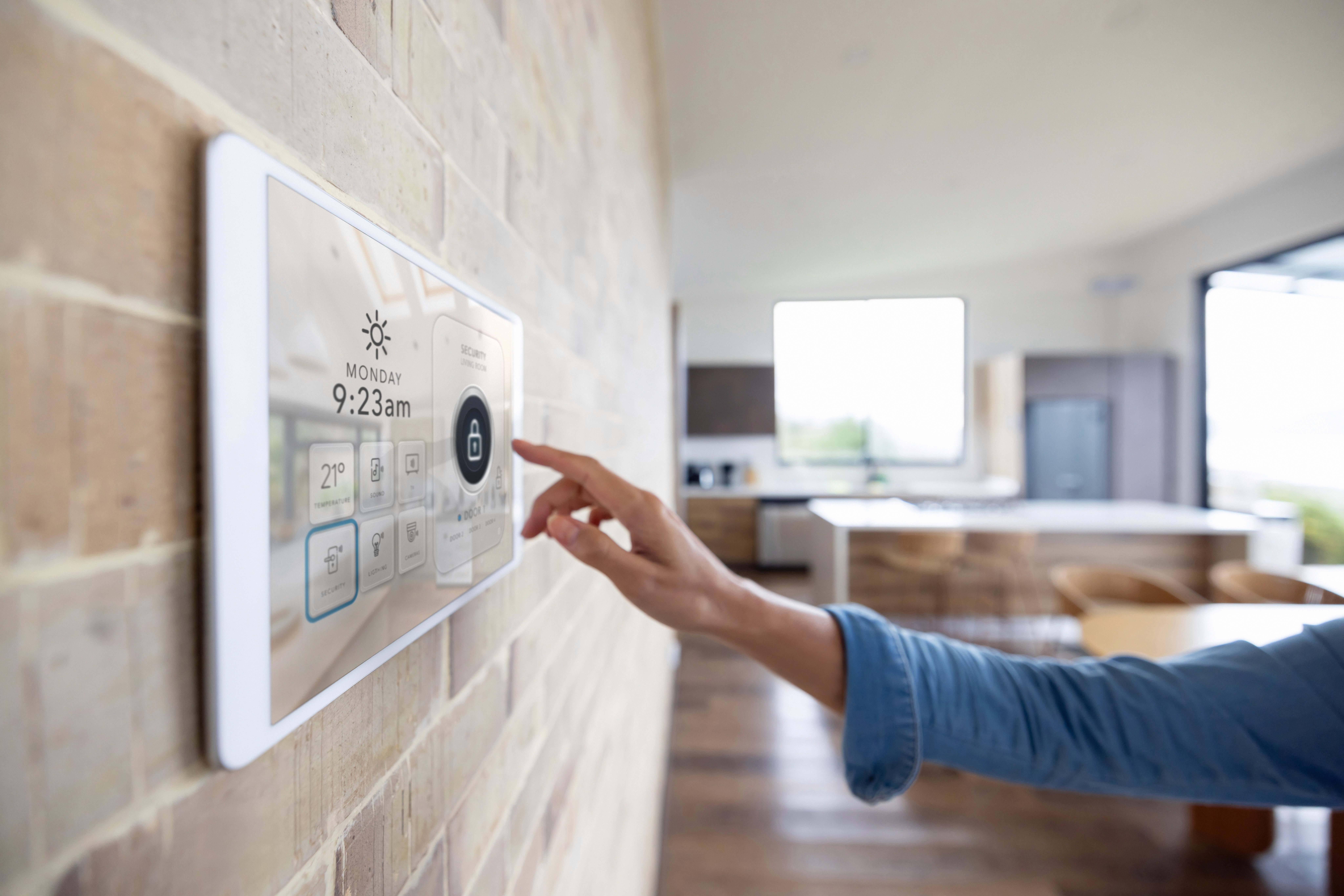
Smart homes are evolving to recognize identity, manage security, and quietly support daily life through intelligent doors, locks, and perimeter-aware systems.

Smart homes are evolving to recognize identity, manage security, and quietly support daily life through intelligent doors, locks, and perimeter-aware systems.
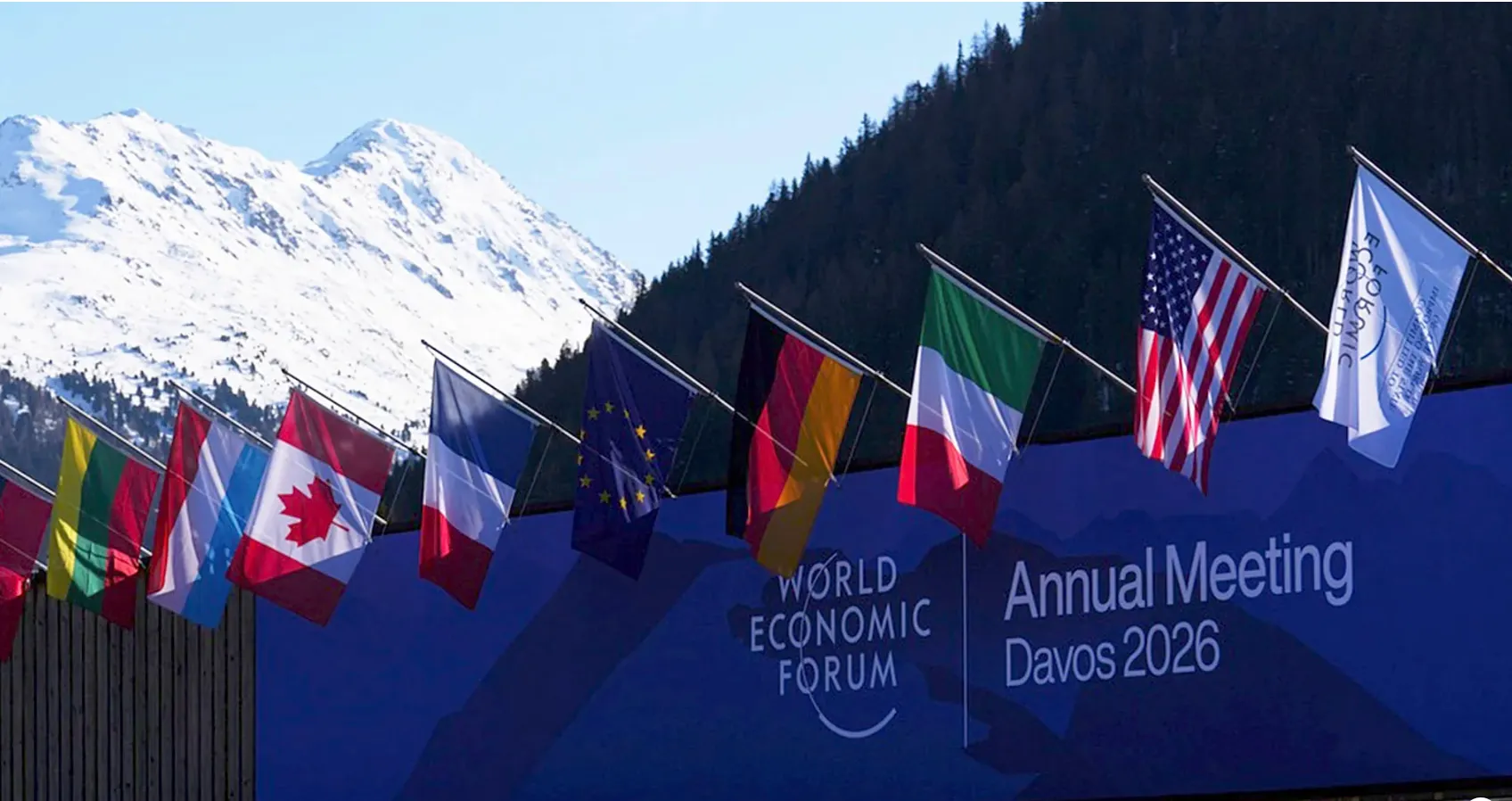
At Davos, the AI conversation shifted from software to infrastructure. Power, data centers, labor, and cities emerged as the real limits of the AI economy.
At Davos, the AI conversation shifted from software to infrastructure. Power, data centers, labor, and cities emerged as the real limits of the AI economy.
Smart home adoption is reshaping real estate in 2026 as buyers stay put and invest in livability, energy efficiency, and human-centered PropTech.

Smart home adoption is reshaping real estate in 2026 as buyers stay put and invest in livability, energy efficiency, and human-centered PropTech.
For years, real estate technology focused on speed and scale. In 2026, the focus is shifting toward affordability, as capital moves, communities respond, and new tools rewrite how housing actually works.

For years, real estate technology focused on speed and scale. In 2026, the focus is shifting toward affordability, as capital moves, communities respond, and new tools rewrite how housing actually works.
Smart home innovation accelerates in 2026 as AI, design, reliability, and interoperability reshape how homes actually function and feel.

Smart home innovation accelerates in 2026 as AI, design, reliability, and interoperability reshape how homes actually function and feel.
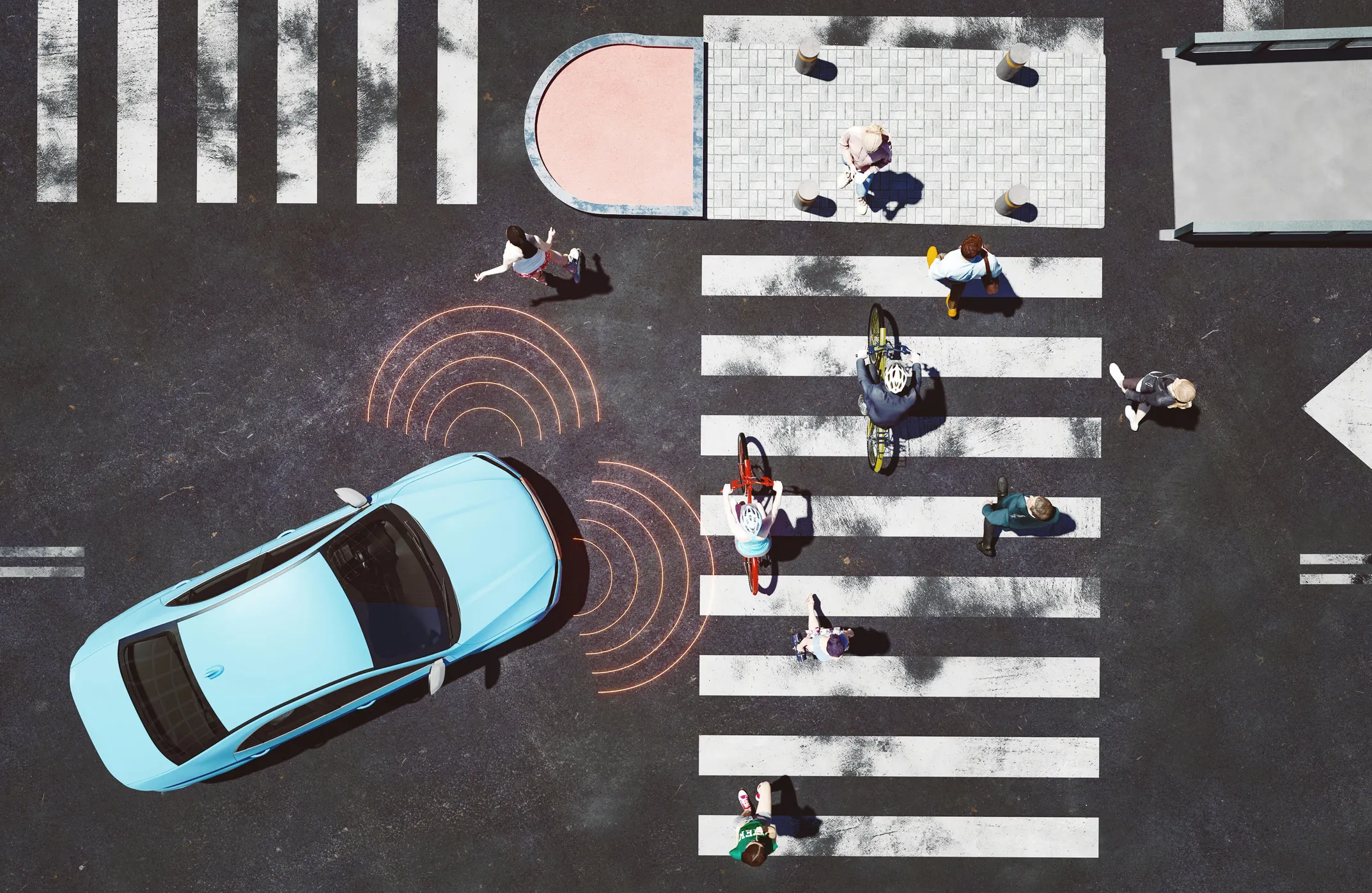
Autonomous vehicles are advancing quickly, but their success depends on infrastructure, trust, and human-centered design shaping the future of cities.
Autonomous vehicles are advancing quickly, but their success depends on infrastructure, trust, and human-centered design shaping the future of cities.
PropTech is evolving beyond tools, integrating human-centered design, connected experiences, and scalable technology. Here is why people-first PropTech wins in 2026.

PropTech is evolving beyond tools, integrating human-centered design, connected experiences, and scalable technology. Here is why people-first PropTech wins in 2026.
Smart homes in 2025 are no longer about gadgets or dashboards. They are quietly disappearing into daily life through design, interoperability, and infrastructure.

Smart homes in 2025 are no longer about gadgets or dashboards. They are quietly disappearing into daily life through design, interoperability, and infrastructure.
Automation, AI standards, and renter diversity are reshaping how multifamily operators manage buildings in 2026. Here is what the next generation of human centered, tech enabled property operations looks like.

Automation, AI standards, and renter diversity are reshaping how multifamily operators manage buildings in 2026. Here is what the next generation of human centered, tech enabled property operations looks like.
Smart homes are becoming easier to set up and more secure than ever. Here is what every homeowner should know in 2026, from protecting devices to using tap to pair onboarding.

Smart homes are becoming easier to set up and more secure than ever. Here is what every homeowner should know in 2026, from protecting devices to using tap to pair onboarding.
Undersea cables, coastal defenses and green corridors are becoming data driven, AI monitored and parametric financed infrastructure. Here is how autonomous ISR, urban sensing and climate indexed insurance are reshaping coastal resilience.
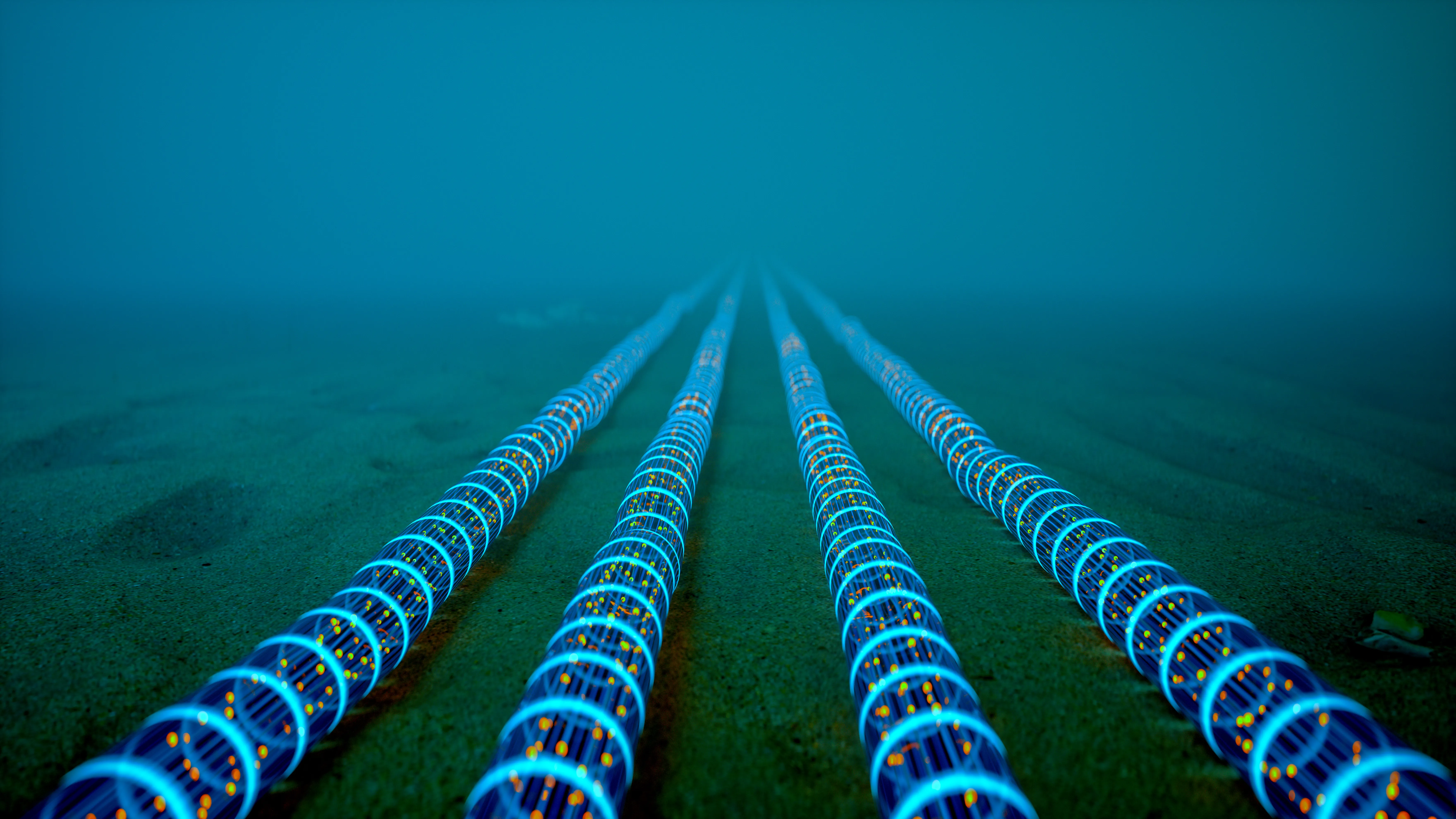
Undersea cables, coastal defenses and green corridors are becoming data driven, AI monitored and parametric financed infrastructure. Here is how autonomous ISR, urban sensing and climate indexed insurance are reshaping coastal resilience.
Buildings are evolving into grid-aware, climate-underwritten assets as institutional capital shifts, AI strains power networks, and green financing becomes survival logic for portfolio resilience in 2026.
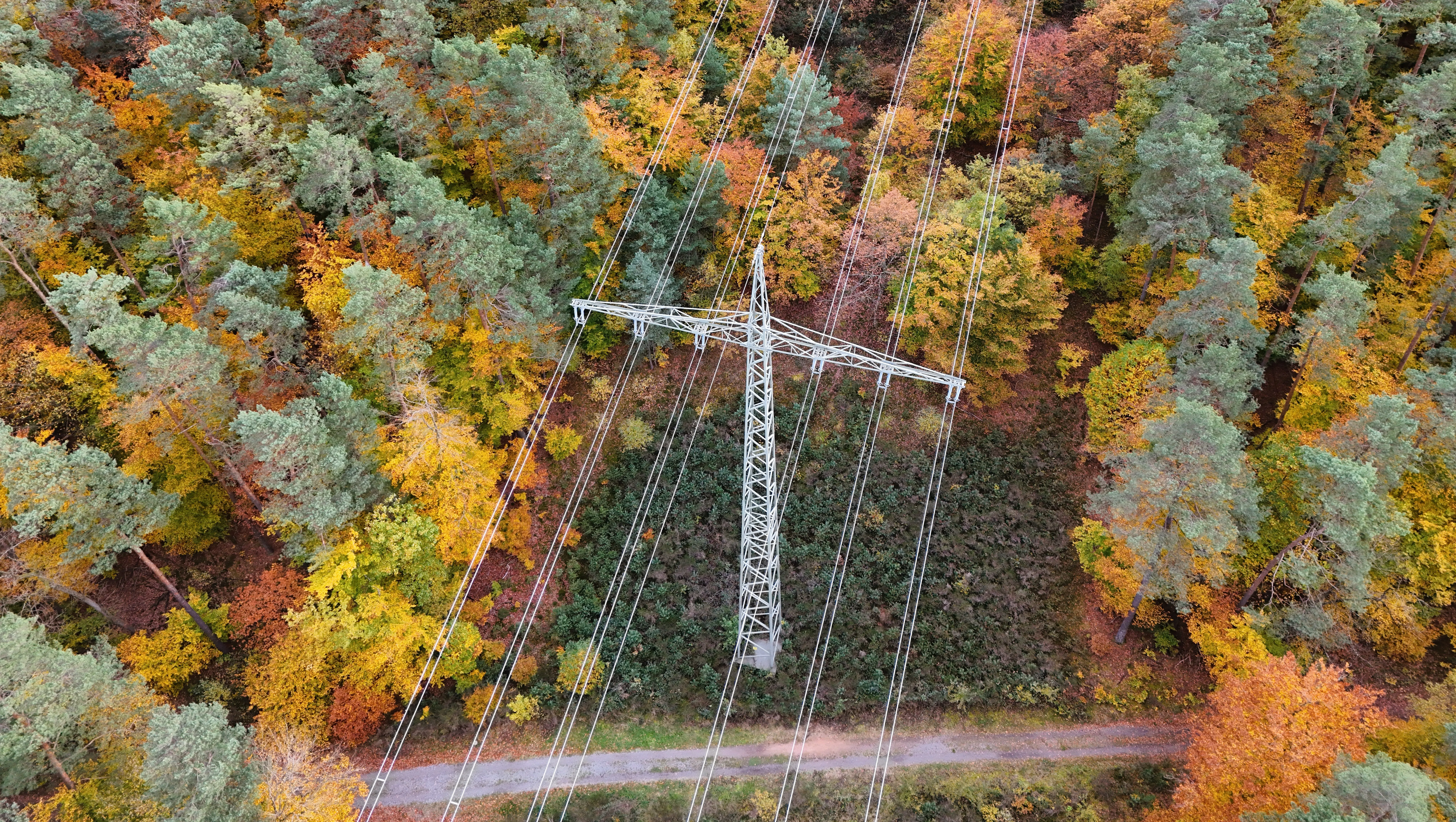
Buildings are evolving into grid-aware, climate-underwritten assets as institutional capital shifts, AI strains power networks, and green financing becomes survival logic for portfolio resilience in 2026.
Thread, paired with Matter, brings low-power, IPv6 mesh networking to smart homes, improving reliability, interoperability and scale, a foundational shift driving the industry forward.
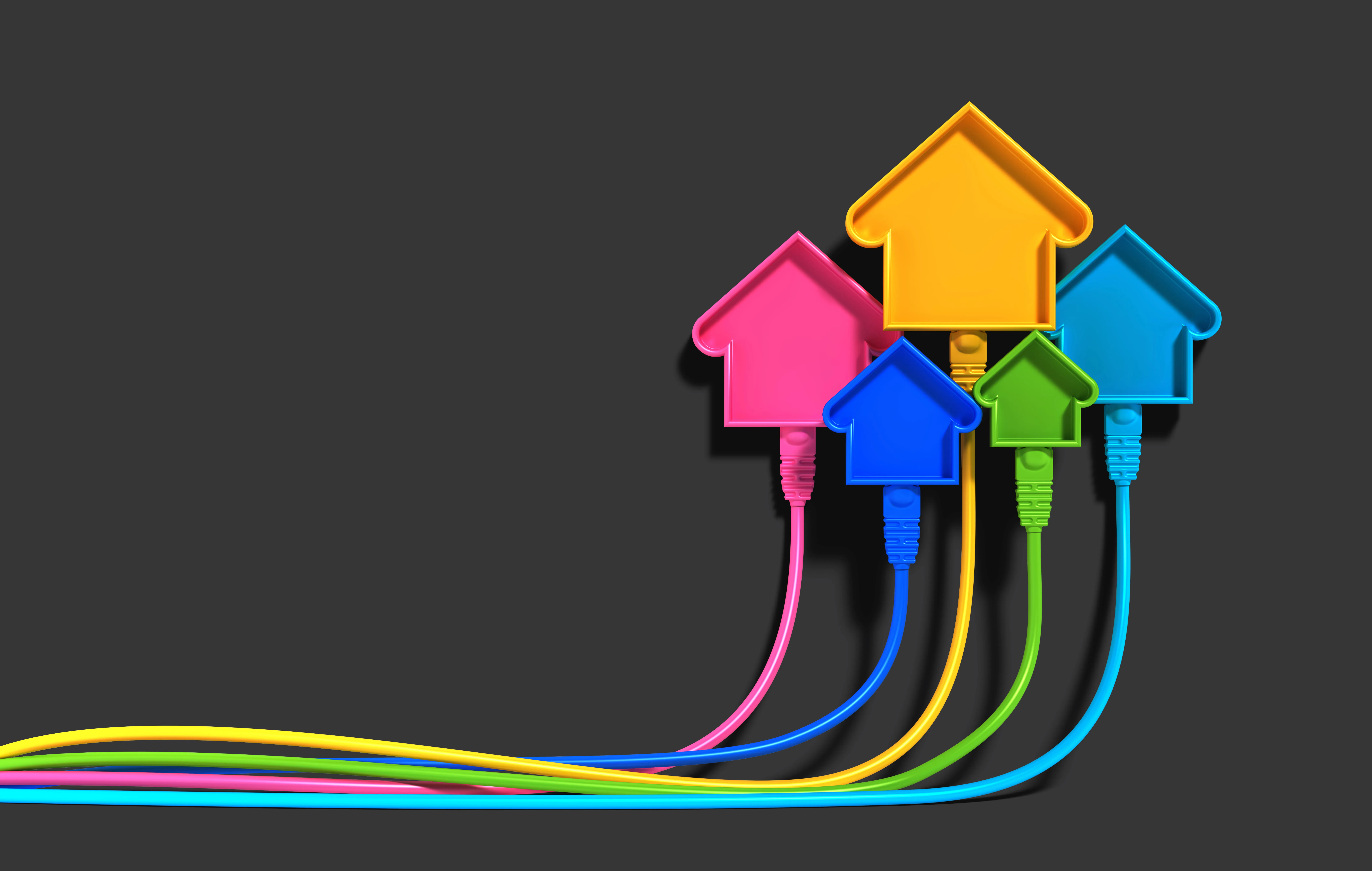
Thread, paired with Matter, brings low-power, IPv6 mesh networking to smart homes, improving reliability, interoperability and scale, a foundational shift driving the industry forward.
Cities are rethinking infrastructure for a hotter, riskier world, blending green systems, megaprojects, and satellite data to build climate resilient, future ready networks.
Cities are rethinking infrastructure for a hotter, riskier world, blending green systems, megaprojects, and satellite data to build climate resilient, future ready networks.
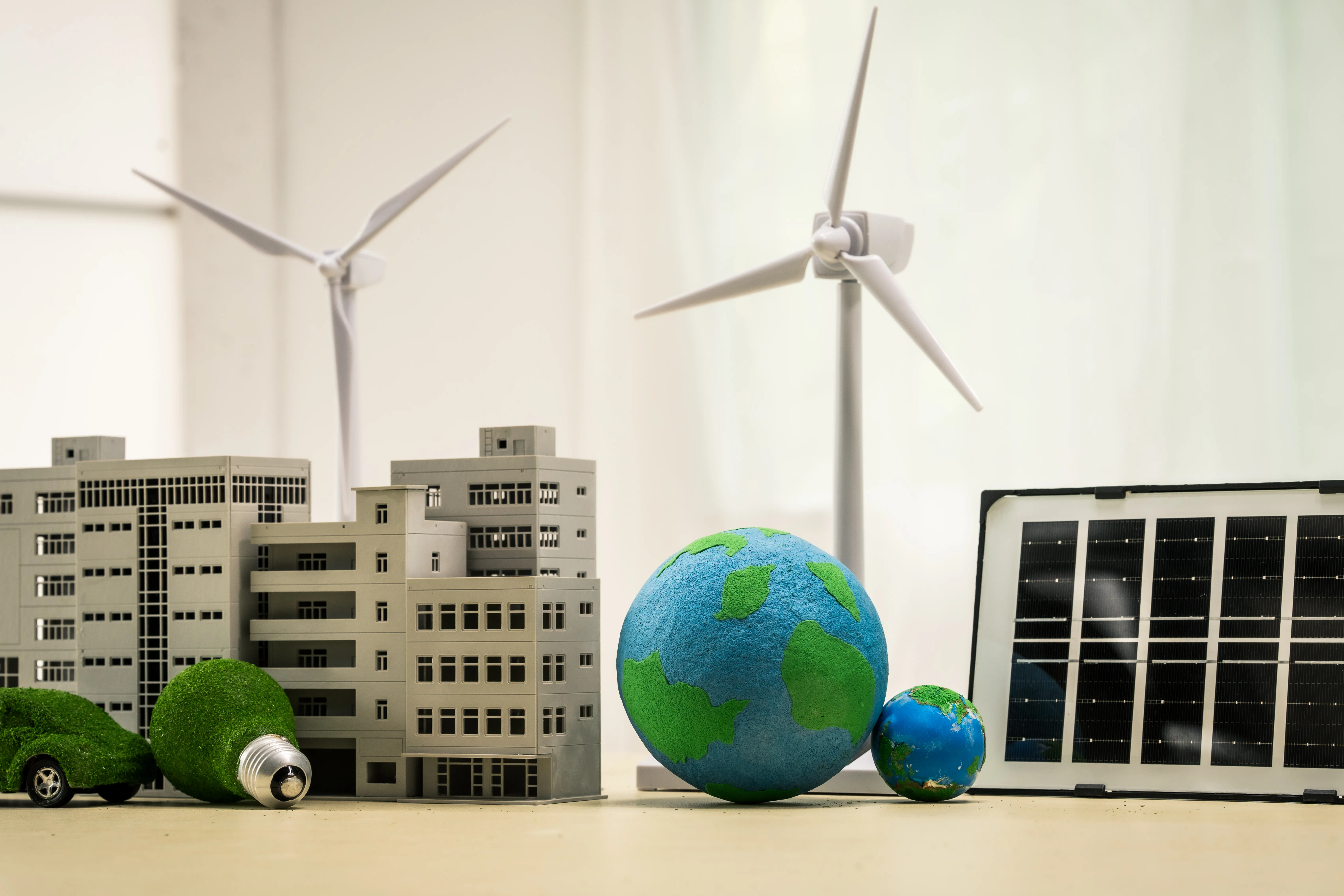
Decarbonization in real estate is no longer optional. As the climate crisis accelerates and buildings remain major emitters, smart grids, AI and ESG frameworks offer the most practical path to cut emissions at scale. Here is what will actually move the needle.
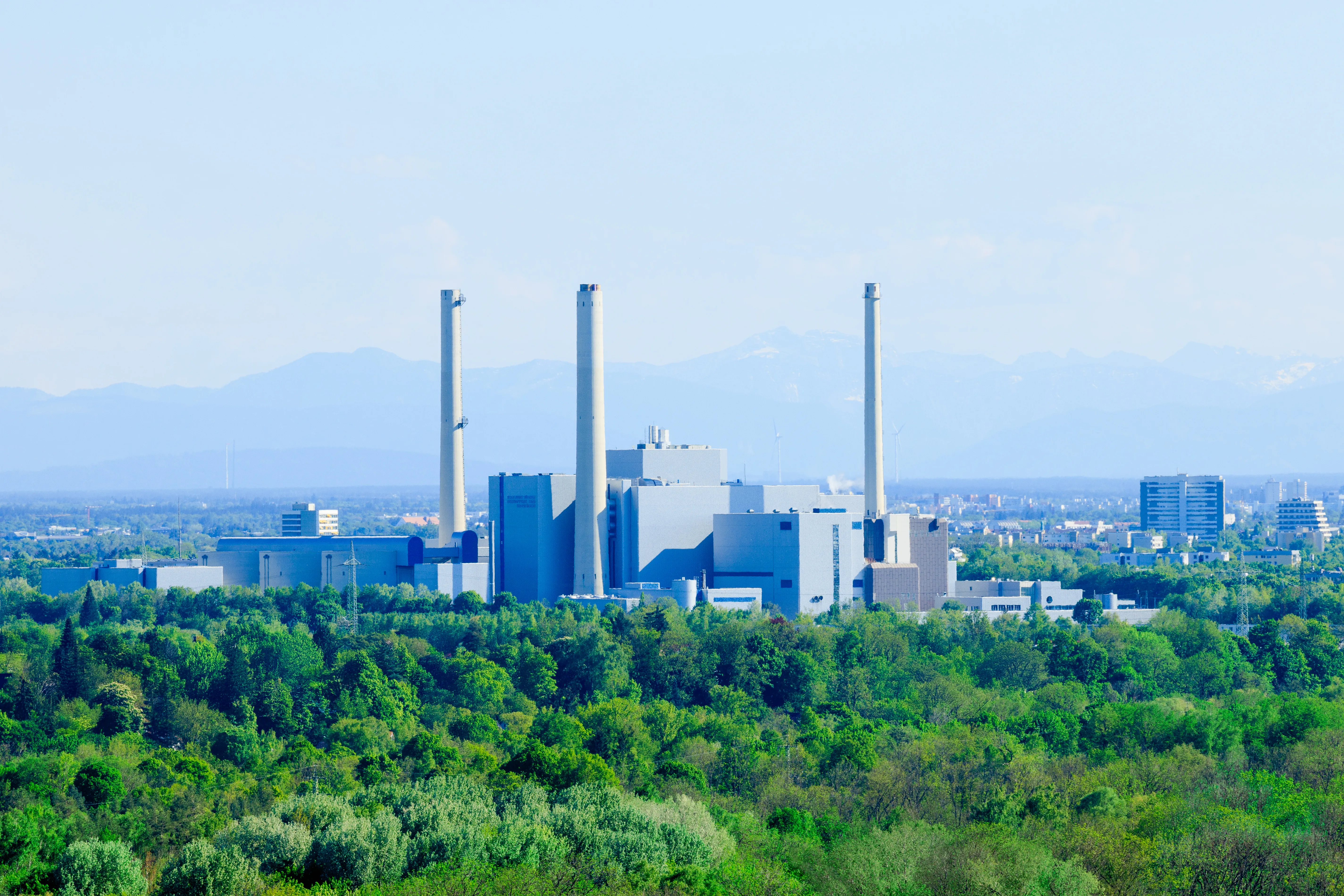
Decarbonization in real estate is no longer optional. As the climate crisis accelerates and buildings remain major emitters, smart grids, AI and ESG frameworks offer the most practical path to cut emissions at scale. Here is what will actually move the needle.
Still confused about what Matter actually is? You’re in good company. This update clears up the confusion, explains how it works and shows what the first updateMatter 1.5 means for the future of connected Smart Homes.

Still confused about what Matter actually is? You’re in good company. This update clears up the confusion, explains how it works and shows what the first updateMatter 1.5 means for the future of connected Smart Homes.
Don’t be afraid of robots and AI. They’re here to improve our cities, not complicate them. These new systems of connected infrastructure are quickly becoming the operating layer for localities, reshaping daily life by making our cities safer, cleaner, more predictable and more responsive to the people who live in them.
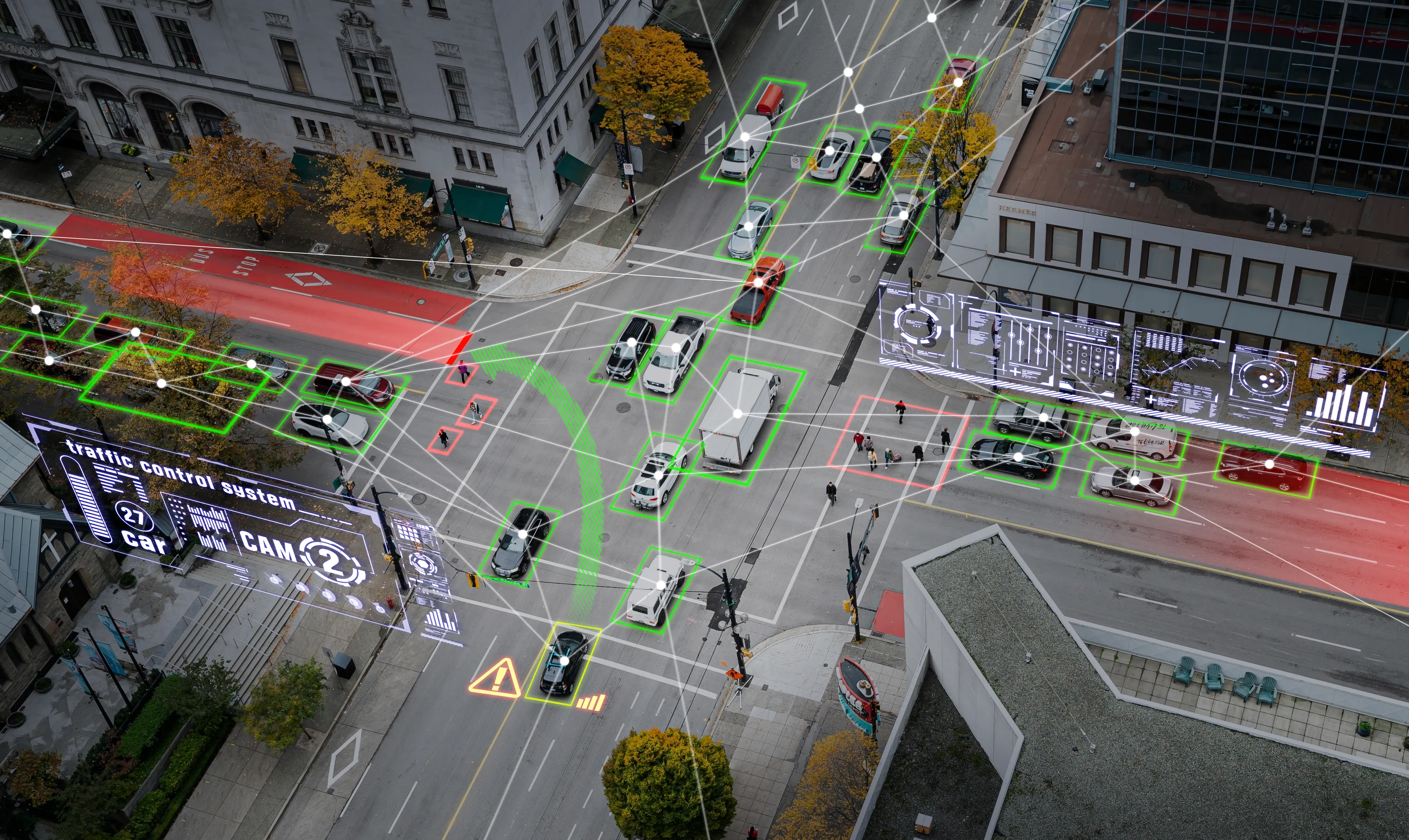
Don’t be afraid of robots and AI. They’re here to improve our cities, not complicate them. These new systems of connected infrastructure are quickly becoming the operating layer for localities, reshaping daily life by making our cities safer, cleaner, more predictable and more responsive to the people who live in them.
AI is accelerating a new era in PropTech by transforming investment, operations, and value creation across the real estate lifecycle, signaling a move from slow adoption to intelligent, data-driven growth.

AI is accelerating a new era in PropTech by transforming investment, operations, and value creation across the real estate lifecycle, signaling a move from slow adoption to intelligent, data-driven growth.
The Mashable Readers’ Choice Awards highlight the Smart Home brands consumers trust most, and reveal a major shift: Smart Homes are no longer niche, they’re foundational to everyday living.

The Mashable Readers’ Choice Awards highlight the Smart Home brands consumers trust most, and reveal a major shift: Smart Homes are no longer niche, they’re foundational to everyday living.